The Back-to-School Wobble: When School Anxiety Is Normal—and When Your Child May Need More Support
The first day of school gets a lot of attention.
We prepare. We buy the supplies. We talk about the new teacher. We figure out the bus route. We attempt to move bedtime back to something resembling reasonable.
And then sometimes the kid or teen we've been worried about all summer walks into school on that first day...totally fine.
Great!
And then comes week two.
The novelty has worn off. There's homework. The alarm is going off early every single morning. Their best friend isn't in their class. The teacher actually expects them to participate. And apparently we're doing this five days a week?!
This is often when we start to see what I think of as the back-to-school wobble.
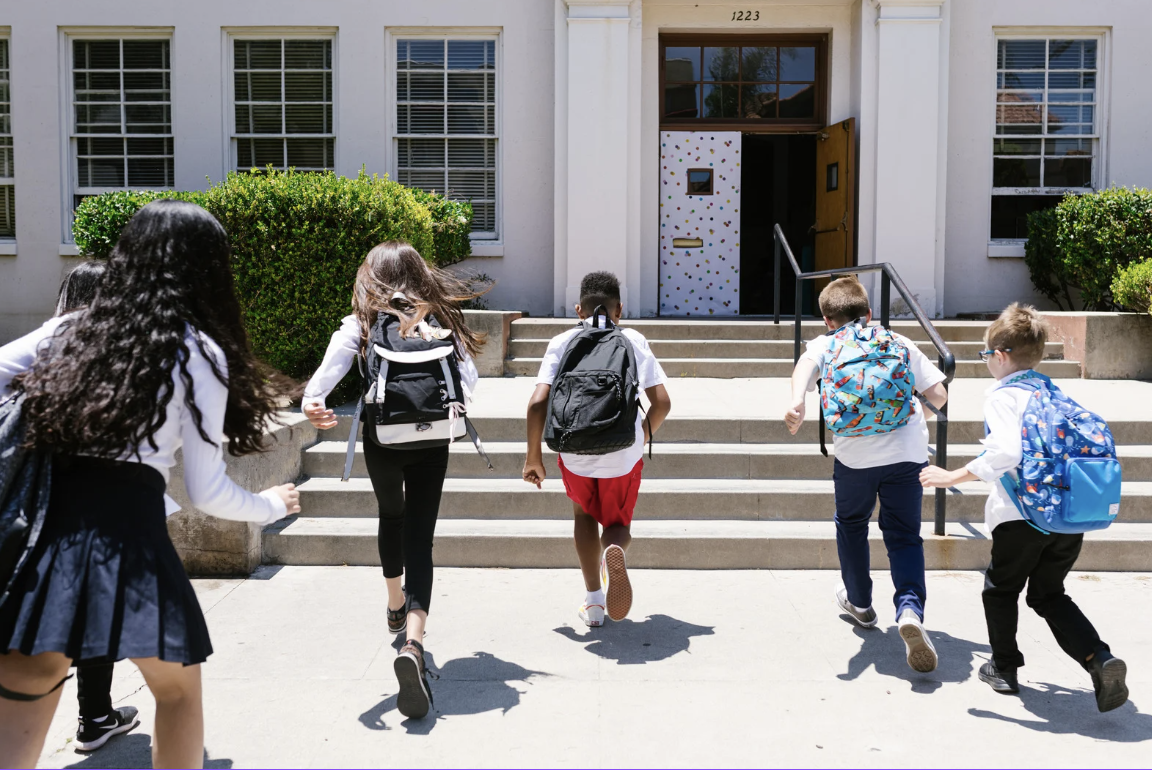
Maybe your child suddenly has a stomachache in the morning. Your teenager is exhausted and snapping at everyone. Bedtime gets harder. Drop-off gets tearful. You start hearing "I don't want to go" or "Do I have to go tomorrow?"
For parents, this is also usually the point when our own anxiety starts to kick in.
Is this normal?
Is their anxiety getting worse?
Should I be doing something?
Sometimes, yes.
But sometimes our kids really do just need a little time to find their footing.
Some Back-to-School Anxiety Is Normal
Starting a new school year asks a lot of kids.
There's a new teacher, different classmates, changing expectations and routines, academic demands, social uncertainty, and a whole lot less control over the day than most kids had during summer.
For younger kids, there may also be the challenge of separating from parents again after spending more time together.
For older kids and teens, the worries may be less obvious. Instead of crying at drop-off, you might see irritability, procrastination, trouble sleeping, headaches or stomachaches, shutting down when you ask about school, or suddenly wanting to avoid things.
That doesn't automatically mean your child has an anxiety disorder or that something has gone wrong.
Feeling uncomfortable while adjusting to something new is part of being human.
And that's important because sometimes, in our very understandable effort to help anxious kids, we can start treating discomfort itself as the problem.
It isn't always.
Sometimes We Prepare Kids for Problems They Haven't Had Yet
Back-to-school advice tends to involve a lot of preparation.
Talk through everything that might happen. Practice. Ask about worries. Check in. Make a plan for what they'll do if something goes wrong.
Some of this can be really helpful, particularly for kids who benefit from predictability.
But there's another side to it.
If we spend too much time anticipating every possible difficulty, we may unintentionally communicate:
This is going to be really hard.
There are lots of things that could go wrong.
I'm not sure you can handle this without my help.
Kids are pretty good at picking up the message underneath the message.
We might think we're saying, "I'm just checking on you."
But after the fourth "Are you sure you're okay?" a child may start thinking:
Wait. Everyone keeps checking on me. Maybe there really IS something I should be worried about.
Or:
Maybe they don't think I've got this. Maybe I don't?
This is especially easy to fall into when you already know your child is prone to anxiety.
You anticipate the anxiety before it even arrives. You explain more. Prepare more. Reassure more. Maybe start solving a problem your child hasn't actually asked you to solve yet.
At Raising Brave Kids, we spend a lot of time helping parents find the space between ignoring a child's distress and immediately trying to make the distress disappear as neither side of the pendulum is ideal.
Sometimes the message a child needs is much simpler:
"Yep, this is new. You might feel nervous. And I know you can handle it."
Things Don't Have to Go Perfectly for Kids to Be Okay
This is one of the harder parts of parenting an anxious child.
We want them to have a good day.
But confidence isn't built because every day goes well.
Lunch might be awkward.
Your middle schooler might get lost.
Your child may not get the teacher they wanted.
Your teenager might bomb the first quiz.
Someone might say something weird at lunch. A friend might sit with someone else. Your child might spend part of the day feeling nervous and wish they were home.
None of those things feel particularly good.
But they also give kids opportunities to discover something important:
Things can be uncomfortable and still manageable.
Sometimes the most helpful thing we can do is stay close, pay attention, and give them a little time before jumping in.
That's not doing nothing.
We're communicating:
I see that this is hard, and I believe in you I know you can handle it.
Don't Make Anxiety the Main Character
Another pattern we see with anxious kids is that anxiety can slowly take over the family conversation.
After school becomes:
"Were you anxious?"
"Was lunch okay?"
"Did anything stressful happen?"
"Did you have any stomachaches?"
"Are you worried about tomorrow?"
Of course we want our kids to talk to us. If something isn't right, we absolutely want to know.
But especially for children and teens who already tend to monitor how they're feeling, we don't necessarily need to go looking for anxiety around every corner.
Ask about the rest of school too.
Who did you sit with?
What made you laugh?
What annoyed you?
What surprised you?
Which class was actually kind of interesting?
What ridiculous thing happened at lunch?
We're not ignoring anxiety.
We're making room for the rest of their experience too.
So When Does Back-to-School Anxiety Become a Problem?
This is where the distinction matters.
At RBK, one of the questions you'll hear our therapists ask a lot is:
Is anxiety getting in the way?
We're generally less interested in whether a child feels anxious and more interested in what the anxiety is doing.
Is anxiety starting to change what your child can do?
Is their world getting smaller because of it?
For example, a child saying "I don't want to go" and then getting through the school day is different from a child who is increasingly unable to get through the school doors.
A difficult drop-off followed by a pretty good day is different from a child who remains highly distressed throughout much of the school day.
A teenager feeling nervous before a presentation is different from repeatedly missing school on presentation days.
That's when the wobble starts to look like something we want to understand more closely.

Signs School Anxiety May Need More Support
We pay closer attention when we see patterns like:
Frequent school refusal or increasing absences
Regular requests to leave school early
Repeated trips to the school nurse without a clear medical explanation
Significant anxiety beginning the night before school
Sleep becoming increasingly disrupted
Avoiding eating, bathrooms, classes, activities, sports, or social situations at school
Reassurance-seeking that never seems to stay reassuring
Homework taking hours because it has to be perfect
Increasing OCD rituals or rigid routines around school
Frequent meltdowns before or after school
A child or teen becoming increasingly withdrawn, unhappy, or unlike themselves
The key word here is pattern.
One terrible Tuesday doesn't necessarily tell us much.
We're looking at what happens over time and how much anxiety is interfering with your child's ability to participate in everyday life.
School Avoidance Isn't Always Just Anxiety
If your child is struggling to go to school, it's important to get curious before assuming you know why.
What's actually making school hard?
For one child, it may be separation anxiety.
Another child may be afraid of vomiting at school.
A child with OCD may be spending the entire day managing intrusive thoughts and compulsions that nobody else can see.
A teenager with social anxiety may be terrified of being judged.
A child with ADHD may be overwhelmed by the organizational demands of keeping up with six classes.
Another child may have an unidentified learning difference and spend every day trying to hide how hard the work feels.
There may be sensory overload, bullying, friendship problems, perfectionism, panic attacks, or a school environment that genuinely isn't meeting the child's needs.
That's why the answer isn't always:
"They need to push through it."
But it also isn't always:
"They're anxious, so let's take the hard thing away."
Sometimes the environment needs to change.
Sometimes the child needs additional skills or support.
Sometimes anxiety has started calling too many of the shots, and avoiding school is making it harder to return.
And sometimes?
It's week two and everyone is tired.
Figuring out which one we're dealing with matters.
What Parents Can Do During the Back-to-School Wobble
You don't need an elaborate anxiety plan for every child.
Start with the boring stuff.
Get sleep back on track as best you can. Keep mornings predictable. Make sure everyone is eating. Give kids the information they actually need. Know who their teacher is and how to reach them. For younger kids, keep goodbyes warm and predictable rather than stretching them out.
Then pay attention.
If something doesn't seem right, listen.
But before jumping in, you can also ask yourself:
Does my child need my help with this—or do they need a chance to figure this one out?
Sometimes your child really does need you to email the school.
Sometimes they need you to sit beside them while they're upset.
And sometimes they need you to say:
"Yeah, that sounds uncomfortable. What do you think you're going to do?"
Then give them a minute.
They might surprise you.
Give Them a Little Room to Surprise You
That's probably the biggest thing I want parents to take into the beginning of this school year.
Prepare kids & teens for what they actually need to know.
Create some predictability.
Listen when something doesn't seem right.
Take persistent anxiety and school avoidance seriously.
But don't assume every wobble means something has gone wrong.
Let the new teacher be new for a while.
Let the first awkward lunch be awkward.
Let your child walk into an activity without knowing exactly how it's going to go.
Let your teenager try to sort out a problem before you jump in with the solution.
We don't have to solve tomorrow's problems before tomorrow has even happened.
Because we're not trying to raise kids who never feel anxious.
We're helping kids become increasingly able to handle anxiety, uncertainty, mistakes, awkwardness, disappointment, and all the other uncomfortable parts of life we can't remove for them anyway.
Sometimes confidence looks less like:
"I know I can do this."
And more like getting to the other side and realizing:
"Huh. I figured that out."
That's a pretty great thing to make room for.
When the Back-to-School Wobble Doesn't Settle
If your child's back-to-school anxiety is becoming more intense rather than settling, they're increasingly avoiding school or activities, or your family is changing more and more of daily life around their anxiety, getting some additional support can help.
At Raising Brave Kids Child & Family Therapy, we specialize in helping children and teens with anxiety, OCD, phobias, school avoidance, perfectionism, and related challenges. We also work closely with parents and, when helpful, schools so that kids are getting consistent support across the places they spend their time.
You don't need to know whether your child's behavior is "normal," whether they meet criteria for a diagnosis, or exactly what type of therapy they need before reaching out. Helping families figure out what's going on is part of the process.
Child Anxiety Therapy | OCD Therapy | Teen Therapy | Parent Coaching | School Refusal