Supporting Children with Separation Anxiety
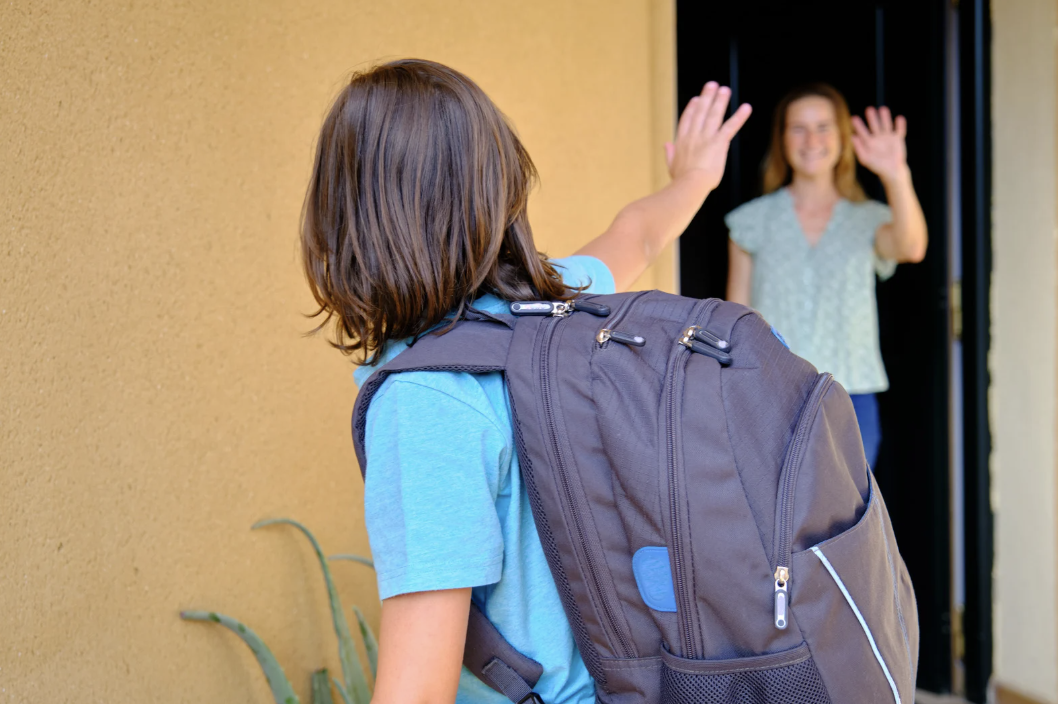
At Raising Brave Kids, we understand that separation anxiety is much more than a child who is "clingy" or has a hard time saying goodbye. Separation anxiety can make everyday experiences—going to school, sleeping in their own room, staying with a babysitter, attending a birthday party, or even watching a parent leave for work—feel overwhelming.
Watching your child or teen struggle with these fears can be heartbreaking. Many parents find themselves changing routines, avoiding activities, extending goodbyes, or offering constant reassurance simply to help their child make it through the day. While these responses come from a place of love, they can unintentionally keep anxiety in control.
At Raising Brave Kids, our goal isn't simply to help children tolerate being apart from you. We help children build genuine confidence in their ability to handle uncertainty, cope with uncomfortable feelings, and discover that they are far more capable than anxiety tells them they are.
Whether your the struggle is with school drop-offs, bedtime, sleepovers, camps, or being away from home, we're here to help your family move from fear toward confidence—one brave step at a time.
Signs and Symptoms of Separation Anxiety in Kids and Teens
Some separation anxiety is a completely normal part of childhood development, particularly during infancy and the preschool years. It often appears during transitions like starting school, moving, welcoming a new sibling, or after a stressful event.
However, when fears become intense, persistent, or begin interfering with everyday life, additional support may be helpful.
Children & teens experiencing separation anxiety may:
Become extremely upset during school drop-offs or when separating from caregivers
Refuse to attend school, activities, or social events
Follow parents from room to room at home
Frequently ask where parents are going or when they'll return
Worry that something bad will happen to themselves or a loved one
Experience stomachaches, headaches, nausea, or other physical symptoms before separating
Refuse to sleep alone or repeatedly leave their bedroom at night
Avoid sleepovers, camps, or staying with trusted family members
Frequently text or call parents while away
Need repeated reassurance that everyone is safe
Become distressed when parents leave for work or travel
Show increasing dependence rather than age-appropriate independence
Separation anxiety often looks different depending on a child's age. Younger children may cry, cling, or refuse to separate, while older children and teens may express worries through physical complaints, excessive reassurance seeking, reluctance to participate in activities, or avoidance of situations that require independence.
When anxiety begins limiting opportunities to learn, grow, and enjoy life, it may be time to seek support.
A Personalized, Developmentally Sensitive Approach
Every child experiences separation anxiety differently. Some children worry primarily about their own safety, while others are consumed by fears that something terrible will happen to a parent while they're apart. Some children struggle most at school drop-off, while others experience intense anxiety at bedtime or before sleepovers.
Because every child's experience is unique, treatment should never be one-size-fits-all.
At Raising Brave Kids, we take time to understand not only your child's symptoms, but also their personality, developmental stage, family dynamics, strengths, and goals. This allows us to create a treatment plan that feels manageable, engaging, and individualized.
Rather than focusing only on reducing anxiety in the moment, we help children develop lifelong skills for navigating uncertainty with greater confidence.
Our treatment focuses on helping children:
Understand how anxiety works
Develop healthy coping skills
Build confidence through gradual practice
Strengthen emotional resilience
Increase independence
Return to activities that anxiety has taken away
Therapy is collaborative and always tailored to your child's developmental level.
Empowering Kids & Teens Through Understanding and Confidence
One of the most powerful things we can do is help them understand what is happening inside their brains and bodies.
Many children and teens believe their anxiety means something is actually dangerous. When we help them recognize anxiety as a false alarm rather than proof of danger, they begin to feel less controlled by their worries.
As they develop this understanding, they also begin developing confidence in their own ability to cope.
Throughout therapy we help children and teens:
Understand why anxiety feels so convincing
Recognize the difference between anxious predictions and facts
Learn that uncomfortable feelings can be tolerated
Experience success through small, achievable challenges
Celebrate bravery rather than perfection
Develop confidence that extends beyond therapy
Our goal isn't to eliminate every anxious feeling. Instead, we help children discover that they can continue moving toward the life they want—even when anxiety shows up along the way.
Working Closely with Families and Schools
Children don't overcome separation anxiety alone. Meaningful progress happens when the important adults in a child's life are working together toward the same goal.
At Raising Brave Kids, we partner closely with parents, caregivers, teachers, and other trusted adults throughout treatment. Together, we identify patterns that may unintentionally keep anxiety in control while developing practical strategies that help children build confidence and independence in their everyday lives.
Parent coaching is a central part of our work and may include guidance on:
Creating consistent and confident goodbye routines
Responding to reassurance-seeking
Reducing family accommodations that unintentionally reinforce anxiety
Supporting school attendance and successful transitions
Encouraging brave behavior through gradual practice
Managing emotional reactions during difficult separations
Building consistency between caregivers and across environments
When appropriate, we also collaborate with schools, pediatricians, and other professionals involved in your child's care. Whether we're developing a school drop-off plan, supporting a gradual return after school avoidance, or partnering with teachers to encourage independence, our goal is to create consistency across the environments where your child learns, grows, and practices new skills.
We also believe therapy is most effective when children understand what they're working toward and feel like active participants in the process. As children learn how anxiety works, they begin to recognize that they are capable of doing hard things. We celebrate small, consistent acts of bravery, helping children build confidence through real-life experiences that gradually expand their independence.
Separation Anxiety Treatment at Raising Brave Kids
Every child experiences separation anxiety differently, which is why treatment is never one-size-fits-all. Our evidence-based approach is tailored to your child's age, developmental stage, personality, and specific fears. By combining proven therapeutic approaches with close collaboration between children, families, and schools, we help kids develop the confidence and skills they need to navigate separation with greater resilience.
Treatment may include Cognitive Behavioral Therapy (CBT), Exposure and Response Prevention (ERP), parent coaching, family-based interventions, and Acceptance and Commitment Therapy (ACT).
Understanding the Separation Anxiety Cycle
One of the most important things parents learn during treatment is that anxiety grows through avoidance.
Imagine your child becomes overwhelmed before school. They cry, complain of a stomachache, and beg to stay home. You know they're anxious, and because you love them, you decide to let them stay home just for today.
Your child immediately feels relief.
Unfortunately, their brain also learns something unintended:
"I was only safe because I didn't go."
The next morning, anxiety often feels even bigger.
The same pattern can happen with bedtime, sleepovers, camps, babysitters, extracurricular activities, or simply being apart from a caregiver.
Parents naturally begin accommodating anxiety because they want to reduce their child's distress. They may extend goodbyes, sleep beside their child, answer repeated questions, cancel activities, or provide constant reassurance.
These responses are completely understandable—and they often come from incredible love and compassion.
Our role is never to blame parents.
Instead, we help families gradually replace accommodations with supportive responses that communicate:
"I know this is hard...and I know you can handle hard things."
As children practice facing fears in manageable steps, their confidence begins to grow while anxiety gradually loses its influence.
Our Proven Framework for Treating Separation Anxiety
1. Cognitive Behavioral Therapy (CBT)
CBT helps children understand the connection between their thoughts, emotions, physical sensations, and behaviors. Together, we identify anxious thinking patterns, develop more flexible ways of responding, and build practical coping strategies that children can use at home, school, and in everyday life.
2. Exposure and Response Prevention (ERP)
Avoiding feared situations teaches the brain that separation is dangerous. Through carefully planned, gradual exposure, children learn that they can tolerate anxiety, face uncertainty, and successfully navigate separations.
These exposures are always collaborative, developmentally appropriate, and individualized. We never throw children into overwhelming situations. Instead, we build confidence one achievable step at a time.
3. Family Systems Approach
Parents are one of the most powerful agents of change in a child's life.
Our family-centered approach helps caregivers understand separation anxiety, reduce accommodations, respond consistently, and encourage bravery in ways that strengthen confidence rather than anxiety.
Families receive practical strategies they can begin using immediately, allowing progress to continue long after therapy sessions end.
4. Acceptance and Commitment Therapy (ACT)
ACT teaches children that they don't have to eliminate anxiety before living a meaningful life.
Instead of waiting until they feel completely comfortable, children learn mindfulness skills, acceptance strategies, and values-based decision making that helps them continue moving toward the people, experiences, and activities that matter most.
A Journey Toward Confidence and Independence
At Raising Brave Kids, we believe overcoming separation anxiety is about much more than getting through school drop-offs or sleeping independently.
It's about helping children discover that they are capable.
It's about helping parents feel confident supporting their child without anxiety running the family.
It's about giving children opportunities to build resilience that will serve them throughout adolescence and adulthood.
Every small act of bravery matters.
Every goodbye gets a little easier.
Every successful step builds the foundation for greater independence.
With compassionate support, evidence-based treatment, and a collaborative partnership with families, children can learn that anxiety doesn't have to make their decisions for them anymore.
Frequently Asked Questions
Is separation anxiety normal?
Yes. Some separation anxiety is a normal part of childhood development, especially in younger children. It becomes more concerning when it is intense, lasts longer than expected, or interferes with school, sleep, friendships, or family life.
Can separation anxiety cause school refusal?
Absolutely. Separation anxiety is a common reasons children resist attending school. Addressing the underlying anxiety is often an important part of improving school attendance.
How do I know if my child or teen needs therapy?
If separation anxiety is interfering with everyday life or becoming increasingly difficult to manage at home, therapy can provide practical tools and support for both children and parents.
Will my child or teen be forced into overwhellming situations?
No. Our approach is gradual, collaborative, and individualized. Children participate in building their own "bravery ladder" and move forward one manageable step at a time.
How involved are parents/caregivers?
Parents & caregivers are an essential part of treatment. Much of the progress children make happens because caregivers learn new ways to support confidence outside of therapy sessions.
Helping Your Child or Teen Move Towards What Matters
You don't have to navigate separation anxiety alone.
With the right support, children & teens can learn that they are stronger than their worries, more capable than they imagined, and able to handle being apart from the people they love.
If your child or teen is struggling with separation anxiety, we'd be honored to partner with your family.
Contact us today or schedule a free 15 min consultation
Child Anxiety Therapy | School Avoidance | Phobias | OCD | Parent Coaching